Bulimia nervosa is an eating disorder that involves a cycle of binging and purging, which refers to binge eating followed by using compensatory behavior, such as self-induced vomiting, laxative use, excessive exercise, fasting or using diet pills or diuretics to rid the body of calories.
It’s a serious, potentially life-threatening condition that can affect all aspects of your health, including your oral health, particularly if you practice self-induced vomiting. In this blog, we’ll be covering everything you need to know about bulimia and teeth, from the oral health side effects of the disorder to the treatment options available to restore your smile. Read More
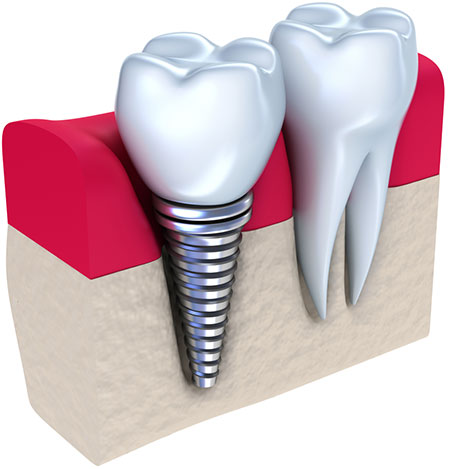
Dental implants are an extraordinary advance in dentistry and give patients a permanent, comfortable, attractive solution to missing teeth. Because dental implants integrate into the jawbone, they function just like regular teeth.
Dentures can slip out of place and are often uncomfortable and a dental bridge involves altering adjacent healthy teeth, making implants a much better option.
Our Naperville prosthodontist Dr. Anthony LaVacca has expertise in a variety of different types of dental implants, as well as techniques, in order to accommodate patients’ needs, goals and budget. Here are some of the choices you’ll find at Naperville Dental Specialists:
As a leading provider of dental implants in Naperville, IL, we know getting an implant is an investment in your oral health and smile. That’s why it’s alarming if you notice swelling. Is it a normal part of the healing process? Is it one of the signs of dental implant failure?
Our American board-certified prosthodontist, Dr. Anthony LaVacca, has extensive specialty training in placing and maintaining dental implants. We’re tapping into his knowledge to discuss how swelling around dental implants should be treated, as well as how it can be prevented.
Is Swelling After Dental Implant Surgery Normal?
Yes, post-operative swelling is normal. You may experience it in your gums, around your mouth and even the side of your face. How long does swelling last after dental implant surgery? For most patients, swelling reaches its peak about two to three days after surgery and then subsides.
Swelling is one of the ways your body responds to an injury, and dental implant surgery is a controlled type of trauma. The severity of the inflammation will depend on the extent of your procedure (i.e., how many implants you received, whether you needed bone grafting, etc.) and your individual biology. Keeping your head elevated, taking anti-inflammatory medication and avoiding strenuous activity will minimize swelling.
Can Swelling be a Sign of a Dental Implant Infection?
While post-operative swelling is normal, once the initial inflammation goes down, it should not increase again. If it does, you may have a dental implant infection. An untreated infection is one of the main causes of dental implant failure.
The most common type of infection is a form of gum disease called peri-implantitis. Peri-implantitis is an infection in the gum tissue and connective tissue around a dental implant that leads to the progressive loss of bone. It can be caused by poor oral hygiene, periodontitis, smoking, certain medical conditions, such as diabetes, bruxism or even an allergic reaction to the implant itself.
Infections after dental implants can also occur if the dental implants don’t fit correctly or improper technique was used to place them. In these cases, patients may have swelling and irritation in the tissue around the implant and persistent infection.
In addition to swelling, other signs of dental implant infection include:
Bleeding when brushing or flossing around the implant
Pain in the area
Visible threads on the implant
Difficulty and discomfort when chewing
Fever
What Will My Dentist Do for Dental Implant Swelling?
If you have swelling around your dental implant and suspect you have an infection, your first step is to call your implant dentist. An infection can weaken your gums and bone and affect the support of your dental implants, so don’t delay scheduling an appointment for an exam.
The sooner the issue is evaluated, the more likely it is that an infected implant can be saved. Even if the implant does need to be replaced, treatment will preserve the health of your jawbone and gums in order to support a new implant in the future.
At your appointment, your dentist will:
Examine the dental implant – Your implant will be checked for damage and position. Your jawbone can detach from a defective implant, and it is unlikely that it will reattach. The implant will need to be removed, the affected area will need to heal and a new implant will be placed.
Identify the cause of infection – Swelling is a sign of infection. Your dentist will look for trapped debris between your gums and the implant because it can cause irritation and swelling. As we said, other possible causes of swelling include chronic periodontitis, poor oral hygiene, certain medical conditions and smoking.
Treat the swelling – When it comes to how to treat dental implant infection, most dentists begin by cleaning and disinfecting the affected area. Depending on the severity of the infection, your dentist may also prescribe a special mouth rinse or antibiotics. If the infection is in its early stages and you haven’t experienced significant bone loss, no further treatment could be needed. However, in some instances, the implant will need to be removed so the infection can heal. A new implant can then be placed at a later date.
What Can You Do to Prevent Swelling Around Dental Implants?
Dental implants are safe and have a very high success rate. However, as with any procedure, the outcome isn’t 100% predictable. When best practices for implant placement are not followed, dental implant failure can occur. In fact, we’ve had patients come to us who have undergone the procedure at other offices only to experience implant failure due to improper placement technique.
That’s why it’s important to choose an experienced, American board-certified prosthodontist like Dr. LaVacca for your dental implant surgery. As specialists, prosthodontists have the expertise and training to minimize risk.
At our practice, we also offer zirconia dental implants. These ceramic implants resist plaque better than titanium implants, encourage faster healing, and are metal-free and hypoallergenic, making you less likely to develop an infection like peri-implantitis.
Yet, even with metal-free implants and the most skilled implant dentist, if you don’t follow the doctor’s instructions and take care of your dental implant, swelling, infection and, ultimately, implant failure can still happen.
When patients visit us for dental implants in Naperville, IL, we recommend they take the following steps to keep their implants healthy and ensure they’re able to enjoy their new smile:
Limit or avoid food that can lodge between your gums and the implant, including popcorn, chips, nuts and shells. If you occasionally eat these foods, try to avoid chewing near the implant.
Thoroughly floss around your dental implants at least once daily. It will remove trapped food, bacteria and plaque.
Brush your teeth twice a day for two minutes each session. Be sure to thoroughly clean the area around your dental implant and prosthetic tooth.
Avoid smoking because it irritates oral tissue and restricts blood flow, which can lead to a swelling dental implant.
Schedule regular dental cleanings and exams. Your hygienist and dentist can detect problems with your oral tissue and dental implants. Early detection can help you get the treatment you need and prevent the issues that lead to swelling around your implants.
Schedule a Visit at the Go-To Practice for Naperville, IL Dental Implants
Whether you’re experiencing dental implant swelling or you’re interested in learning more about your teeth replacement options, schedule a visit with our award-winning Naperville implant dentist Dr. LaVacca. At Naperville Dental Specialists, our team of general dentists, cosmetic dentists and specialists take a high-tech approach to provide patients with safe, efficient care and stunning results!
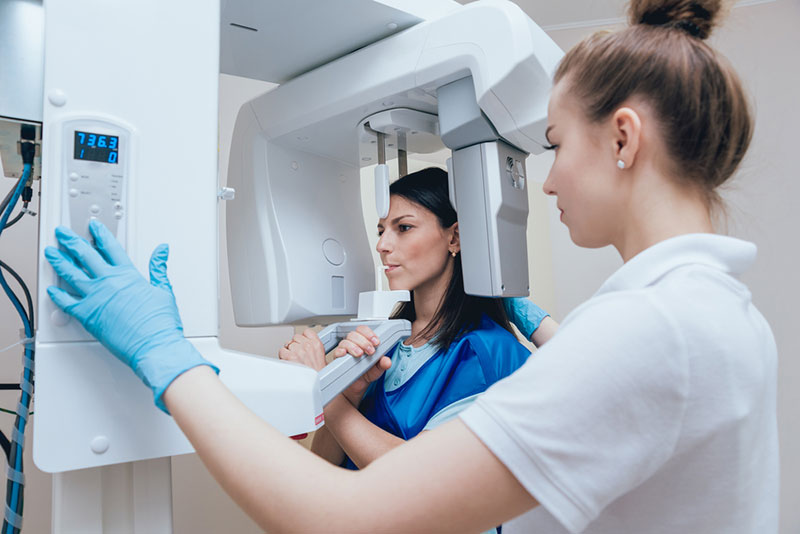
I’ve been thinking about getting All on 4 implants. My dentist says it looks like I’m a candidate, but there’s a lengthy planning process that requires a CT scan. I’ve already had dozens of x-rays at this point and I know they have already seen everything they need to. I’m worried about the excess radiation. I’m also worried about the cost. Is the CT scan really necessary or is it an add on to increase my costs? Thanks – Tony Read More
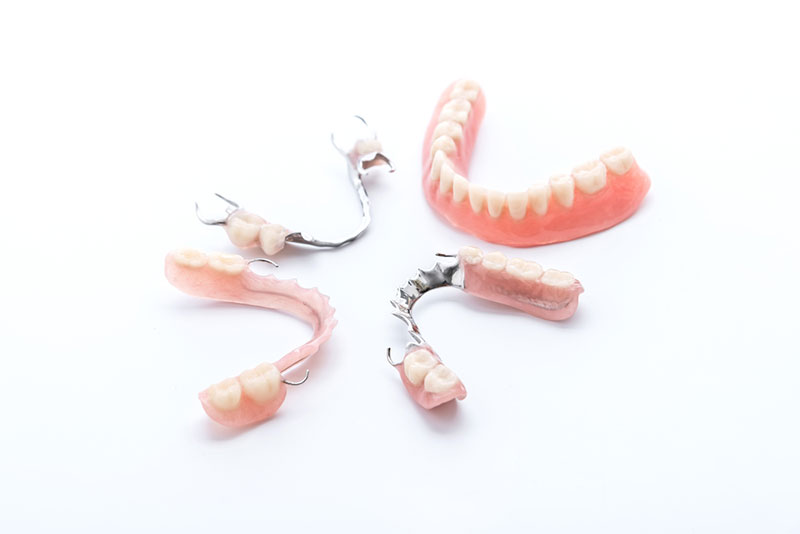
My husband must be having some serious issues with his dentures. He doesn’t seem bothered by it, but neither will he wear them. He got a new set in March and that was an ordeal by itself. Since then, the dentures have been nothing but trouble.
2 nights ago, we were invited out to dinner with close friends. I begged Don to wear his dentures and he reluctantly agreed. I don’t know why he puts up such a big fuss because he looks so handsome with them.
We started the meal and everything was fine, but no more than five minutes into eating, he pulled them out and put them on the table. Our friends were polite and didn’t say anything, but their eyes showed that they were uncomfortable. Don left the dentures on the table during the entire dinner.
I talked to him about it on our way home, and he insisted that although I think the dentures look great, they don’t feel great. I don’t think he has worn them enough to know how they feel. How can I get my husband to wear his dentures? Thanks, Anya
Dear Anya,
It can be difficult for people to adjust to the change, and wearing dentures can be a difficult transition. There are several issues people might experience with dentures.
Some Causes of Discomfort with Dentures
Too Tight/High Spots: Sometimes a new prosthesis can be too tight in certain areas or have high spots that cause pressure and make them uncomfortable to wear. The dental office should have run tests to see how the dentures fit and felt and made adjustments accordingly. If your husband prefers not to complain, he may not have mentioned these spots to the office, but they could be causing serious discomfort. If so, your best bet is to get him back to the office so they can adjust it.
Too Loose: When teeth are extracted, the jawbone in those areas begins to shrink, which can make a prosthesis feel too big. In the early stages of healing, there’s also some swelling. As swelling subsides, a prosthesis might not fit correctly. Dentists can make adjustments and reline the prosthesis for a better fit.
Movement/Sore Spots/Poor Fit: Poor fit or movement can and should be adjusted. If these issues aren’t addressed, they can cause serious pain and even injury.
Excess Saliva: When there is a foreign object in your mouth, it stimulates saliva. People new to wearing an oral prosthesis often complain about excess saliva, but as they wear it more, saliva production reduces. The key is to regularly the oral appliance.
Difficulty Speaking: It takes time to get used to talking while wearing dentures. If your husband has difficulty speaking with dentures, it can help to wear them at home and practice speaking with them.
Pushing Out/Falling Out: Some people are inclined to push their dentures out with their tongue. Others experience difficulty with suction for the upper denture. If the prosthesis is otherwise comfortable, using adhesive will be helpful. There are many different styles and brands of adhesive, so it’s a good idea for your husband to try a few until he finds one he prefers.
Any of these factors, and more, could be contributing to your husband’s discomfort. It may be better to discuss the issue with him and let him know you’re concerned. A visit or two to the dentist for adjustments should be able resolve the issue.
If he continues to have discomfort, consider seeing a prosthodontist, a dentist who specializes in replacing missing teeth. Prosthodontists can help with more complicated issues and will be able to determine if your husband is a candidate an implant-supported denture, which helps dentures fit and feel better.
I’ve been following a story in the news and am worried about the safety of some dental implants. The story involves a dentist from San Diego who just got four years in jail for doing the work incorrectly and injuring a woman. It seems like every time I watch the news, there’s new information to be worried about. I don’t know if I will go forward with treatment, but I have to wonder, how is it possible for an average person to know that their dental implants will be safe?
-Joseph
Dear Joseph,
It sounds like you’re referencing the Robert Mansueto case. Indeed, this is a heartbreaking case. While a victim of a crime suffers, there were some major red flags that should have been observed.
The first red flag here is that the “dentist” in question was meeting patients at his house. That’s certainly not a sign of professionalism. Patients should meet their dentist at the office—not at his or her home.
The biggest red flag, however, was that the “dentist” convinced people to leave the country with him. Mansueto drove at least one woman across the border into Tijuana to perform the surgery. Every reputable dental agency in the United States cautions against leaving the country. There is never a good reason for doing so, and it’s unthinkable that any professional would consider incorporating this into the patient’s treatment plan.
How to Stay Safe with Dental Implants
Check Credentials. The man involved in this story was not a licensed dentist. Although he was formerly a dentist, he lost his license a decade ago. There’s actually a great online tool to check licensure, and it even notes if the professional has been disciplined. Many states also have their own lists.
Choose a Specialist: Although many dentists are legally able to provide patients with dental implants, a prosthodontist has extensive training and generally has more experience than others. This has a significant impact on the overall success of the procedure.
See Examples: Find out if the dentist has a smile gallery or other ways to view examples of his work. Don’t accept stock photos that are routinely used for educational purposes. You need to be able to see what the dentist has actually accomplished.
Watch for Red Flags: You shouldn’t meet anyone claiming to be a doctor or dentist at his home. You should only get treatment in a dental office. Ideally, with a procedure as sensitive as dental implants, you’ll want a local dentist whom you can visit with ease in case complications arise.
I’m wondering if it’s too late for dental implants to help my facial sagging. I’ve had dentures since I was 49 years old and I just turned 61 last week. The bags on my face from dentures are finally catching up with me. Other than cosmetic surgery, what are some ways that people with dentures can at least soften their wrinkles? Is it too late for dental implants? – Madge
Madge – After years of wearing dentures, facial sagging results from jawbone shrinkage. When all of your teeth are missing, the bone that once supported the teeth is resorbed and used elsewhere in the body. The jawbone is no longer available to support facial muscles, so sagging and shrinking result. Although cosmetic surgery may tighten facial tissue, jawbone shrinkage can continue and additional wrinkles or sagging can occur. Dental implants can help.
How Dental Implants Can Help with Facial Sagging
Bone grafting – If you don’t have enough jawbone density to support your facial muscles, you probably lack the density to support dental implants. But it’s not too late for dental implants. The good news is that jawbone can be built up through bone grafting. After the grafts heal, dental implants can be placed, and jawbone shrinkage can be prevented or interrupted.
Support for your dentures and facial muscles – Your dentures will be attached to the dental implants. Your facial muscles will have support, and the process will rejuvenate your face and help you look longer.
Healthier than cosmetic surgery – Dental implants stimulate jawbone growth. Cosmetic surgery doesn’t. When all of your teeth are missing, dental implants and bone grafting support your oral health, while cosmetic surgery only lifts your facial muscles and improves your facial appearance. Without dental implants, your bone will continue to shrink, and additional cosmetic treatment might be needed in the future.
Before you receive any treatment, diagnostic studies are needed to determine how much jawbone shrinkage has occurred and the best way to address it. The process will take several months, but you’ll have better oral health, and it will enhance your facial appearance.
I have 4 upper teeth and 3 bottom teeth left. I don’t want dentures. Everyone that I know who wears dentures hates them. Plus they look bad. The teeth look like white plastic and the gums look like dark plastic. It is interesting to me that as long as dentures have been around that they still look unsightly. I’ve been looking into alternatives to dentures that might look more natural. Can I get a snap on smile instead? I think it will look better than false teeth. – Ephraim
Ephraim – Dentures vary in quality. The prosthesis you have described are likely budget dentures. They are the least expensive and least natural-looking dentures available. But for people with a limited budget, this is an option that is better than having all of your teeth missing. It enables people to chew and to smile with more confidence than having no teeth at all.
Dentures vs. Snap-On Smile
There are several characteristics of a Snap-On Smile that make it an unsuitable alternative to dentures:
It is designed to snap over your natural teeth, and your teeth keep it in place. If all, or most, of your teeth are missing, the appliance will easily dislodge.
It is temporary. If you wear it daily, it will wear out very quickly and need to be replaced.
Without the support of your natural teeth beneath the Snap-On Smile, you will have difficulty chewing. And as we mentioned, it will be almost impossible to keep it in your mouth.
Cosmetic Dentures
You can get comfortable cosmetic dentures that are made of high-quality materials and look natural. A prosthodontist will provide you with customized dentures that fit well. They will look much better than a Snap-On Smile.
A prosthodontist has at least two years of post-dental school training in replacing and restoring teeth. You will be included in the process of designing dentures that like your natural smile. They will compliment your facial features and be an expression of your personality.
If it’s within your budget, you can consider securing your dentures with dental implants. The implants will prevent your dentures for from slipping. Implant overdentures may fit over the remaining natural teeth that you have left, if the teeth are healthy.
Request a consultation with a prosthodontist to learn about cosmetic dentures and your options for stabilizing them.
I’ve lost all most of my teeth and the remaining ones are loose and need to be extracted. My dentist says that I have enough bone to do All-on-4 implants. It probably sounds bad, but I’m tired of dealing with teeth problems and am really looking forward to dentures. Anyway, I I am wondering if two or three dental implants will suffice. It seems like a great way to save money and there would be less to go wrong. Is this a viable solution?
Thanks, Ronny
Dear Ronny,
The All-on-4 process is well known because it has been heavily advertised. Some companies and practices may use the terms overdenture or implant-supported denture instead. There are versions that referred to as fixed or permanent because you cannot take them out. There are also removable or snap-on dentures, which you can take out as needed.
All-on-4 Implants Balance Your Prosthesis
Dentures with no additional support stay in place with suction or adhesives. While they are the traditional cost-effective replacement, may look natural, and work well, they don’t feel natural. Some people struggle with movement in the appliance or keeping them in place. Imagine if you add a single dental implant to the appliance. You may be able to keep it in place better, but you won’t really improve the stability or balance.
If you add a second implant, the retention will improve, but again, there will still be a significant area without an implant, and stability will continue to be an issue. As you add additional anchors, the stability of the prosthesis will increase. You could theoretically function with a denture that’s only anchored in two or three places, but it won’t be as secure as a denture that is anchored in four or six places.
Dental Implants are Successful Up to 98% of the Time
Fewer implants don’t necessarily guarantee success. Generally, individual dental implants successfully integrate and remain healthy 98% of the time. But the largest determining factor of success is the dentist you choose.
Doctors who frequently place implants, such as oral surgeons, prosthodontists, periodontists, and a handful of general dentists with extra training, provide statistically better outcomes for their patients. In part, this is because they are more skilled, but another reason is that they look at each case and evaluate it individually. They know when a person isn’t a good candidate at all, as well as what options are going to provide the highest success rates. Find a doctor who routinely handles cases like yours to help you trust what he or she is recommending will provide the best outcome.
You might find a doctor who will only place two implants for you. That won’t necessarily reduce the risk though. It doesn’t hurt to ask a dentist you know and trust if two could work for you. Odds are, however, that he’ll walk you through the risks and challenges of doing so or he may insist on four or more if he doesn’t believe he can provide you with a successful outcome using fewer.
I signed up for a discount dental plan in hopes of eventually getting affordable dental implants because most of my teeth are missing. On my first appointment I completed forms that I thought asked for more information than usual. I was told to wait a few minutes and really in less than 5 minutes the receptionist told me that I qualify for financing. Why were they trying to qualify me for financing before my teeth were even cleaned? After I got the x-ray and cleaning, the dentist came in. He didn’t look at my teeth at all. He told me that I needed several fillings and 4 crowns. Then they gave me this crazy cost of $4000 which I really though sounds excessive even though I don’t know how much crowns cost. I was really shocked and didn’t say much. When I was checking out, the receptionist was trying to schedule me for the fillings and crowns appointments but I told her I would have to call back to schedule. Of course I am not going back to the office at all. If I really need the dental work they say I do, it will be 3 or 4 years before I can even get affordable dental implants. Besides all that, I don’t have enough healthy teeth left to invest in them. I prefer overdentures. Today I got a call from them to schedule my appointment for the dental work. I haven’t been to a dentist in 3 years so I can believe that I might have cavities but is it normal for a dentist to tell you that you need all this work if he hasn’t even looked at your teeth? – Abrielle
Abrielle – Your dental appointment was unusual. In addition to your cleaning and x-rays, your teeth should be thoroughly examined by the dentist before treatment is recommended. The dentist should also be specific about what dental treatment is needed and why. High fees for treatment can make even the most affordable dental implants out of reach.
How You Can Get Affordable Dental Implants
You are wise not to return to the office. Consider contacting your dental insurance company to explain the situation and avoid any problems with coverage due to possible duplication of treatment.
Find a prosthodontist to examine your teeth and make any treatment recommendations. You may want to visit the office first or request a consultation with the dentist before you receive an exam.
Affordable dental implants can be made possible through financing or payment plants.
On starting to experience a tooth pain in the last 24-36 hours I called NDS as a brand new patient today. With everything going on in terms of social distancing and stay-at-home, they were very efficient and quick in responding to my query. They prioritized it and began work to book an emergency appointment immediately. Very happy with Dr. Lavacci and the team. Highly recommended.
From the warm greeting to the warm neck wrap. Being respectful of my time and seeing me exactly at my appointment scheduled with a detailed and efficient exam and cleaning. I can’t say enjoy going to the dentist but I can say I don’t Hate anymore
I had a fantastic first visit yesterday. My hygienist Kelley was very thorough and gentle. The office is quite nice- relaxing and inviting. I'm going to bring the whole family over.
Saturday visit was for a routine cleaning. What made it special was not so much the cleaning but the care in which Becky the hygienist did her job. Not only was she sensitive to my dislike of the “plaque removal tool” as she did the job with the upmost care but the friendly atmosphere she maintains during the visit. With a friendly approach, Dr. Dustin came in at the end to check things out. We chatted about the cleaning which revealed no issues. But what was most striking was his welcoming approach and genuine dialogue about his work as a dentist and the care for each patient. Together, they both have a unique way of making you almost feel like, you are not at the dentist! Overall, I rate this place as A#1 in the areas for dental care.
We have the best dentist and orthodontist! I have sung their praises many times on social media but today they went above and beyond!
My 12 yr old son knocked one of his permanent teeth out this afternoon while playing with his younger brothers. The dentist’s office was closed but that didn’t stop Dr Anthony LaVacca . Dr Anthony LaVacca and his wonderful assistant Kelly met my husband and scared son after hours this evening to see what they could do to save the tooth.
I cannot say enough about Dr LaVacca, Dr Ibrahim and their team at Naperville Dental Partners! They are truly the best!
Had a follow up from getting the All on 4 dental implants in September. Brandy and Gina were awesome today. They were so kind, knowledgeable and efficient. If you are looking for a great dental experience Dr. LaVacca and staff are the best.
Dr. Irene is absolutely the best! Everyone hates going to the dentist, but she makes a point to connect with her patients and puts them at ease. Our entire family loves Dr. Irene!
Excellent experience. Dentist hygienist are very thorough. This is the first time hygienist was running 15 minutes late. Typically they are on time. I will suggest improving check out since you have to wait over 10 minutes to pay and check out . Dentist hygienist are very courteous, gentle and attentive.
Poor. I Had a cap reglued. Took five minutes. Was billed over $200. I thought they were in my network, but it wasn’t covered. I sent two letters showing them why I thought they were in network and received no response. All I get is past due notices. I expect I’ll have to pay but was hoping I’d get the courtesy of a response. Bad customer service.
I had my cleaning yesterday and have never had such a good hygienist! Her name was Julie and I feel cleaner, whiter, and not a spot of plaque. Thank you, NDS!
I had my first appointment last week. There was a new dental hygienist that tried to do x rays and after about 30 min she had to call a more experienced worker to do that. She seemed really with no much of experience. The doctor was very careful and helpful, explained to me all treatment plan - how it will work and what should be done.
Went in today to have my teeth cleaned. My hygienist was Taryn. She always does an excellent job. The entire staff is professional and friendly. I have recommended many people to the office.
Only if I could, I would give -5 start to this place. I went to dental group had my x-ray done, and I have one fillings need to be done. On the way home, I saw this Naperville dental specialist, so make an appointment to get second opinion. One of the doctor there said I have 5 fillings need to be done, since they called themselves specialist, I trust them. Had my first fillings done on June 12, went back 2 weeks later to treat pain from fillings, and went to back 3 later again to treat pain from fillings again, then went to back 2 weeks later to treat pain from fillings again. Finally one of the doctor said I need to redone my fillings. I made an appointment went back redone my fillings 3 weeks later. And told I may have pain for awhile. I waited for a month the pain still didn’t go away. Now, after 4 months, I pain worsened. Called again to speak to a manager, only heard that managers are busy, nobody call back. I went to different doctor office, whi
Innovative Dental Specialists have performed a wonderful job with our three kids since moving from St. Louis a year ago. Especially with our teenager who had to have four teeth extracted for over-crowding issues. He said he felt fine during the whole procedure (lasted about 45 mins and used laughing gas) and really felt no pain afterwards. Way to go Innovative!
Overall a very good experience with my first appointment here. The hygienist did a fantastic job. I had to wait quite a while for the dentist to attend to me, so hopefully that is not typical here. But he was friendly and attentive to my needs. I also had to wait several minutes for the receptionist to schedule my follow up appointment. Not sure what else she was working on, but this length of wait should never happen at reception. Again, hopefully these things are not going to happen regularly. But overall, the most important part of the experience was my checkup from the hygienist, which was great.
Five-Shining Stars! I am amazed by this facility. The ambience feels like home. Well decorated, neat and welcoming. The staff are very friendly amd professional. They are highly equipped with contemporary technology. They treat their patients very special and with respect. I would highly recommend this dentistry!
I couldn't be more pleased with the service I've received from Naperville Dental Specialists! I've had the honor of being a patient of Dr. Anthony LaVacca. When he hasn't been available, I have had other doctors on staff instead. I have found that there is a cohesiveness is their recommendations and that they all know a lot. During my last visit, I had the best assistant ever during my 4-hour procedure - Becca! I highly recommend going to NDS for your dental needs (they even have pediatric dentistry!).
I waited 20 minutes in the waiting room. I have never had to wait more than 5 minutes before. Also, as nice as she was, there was a new dental hygienist that poked and prodded my mouth with the piece to hold it open for x rays. She had to call a more experienced worker in to retake three of the photos. It took over 30 minutes just for the x rays. The lavender pillow was not as nice as I remember it. I don't know what happened. It seems like someone new is running the office / establishment. On the positive side, all of the staff was friendly, but I seriously am thinking of changing dentist's if my next visit is as unpleasant as this one.
I came to Naperville Dental Specialists due to my dentist and insurance company causing issues for me AND a tooth that needed immediate attention. Angie was so helpful and dealt with all of my financial needs-insurance and individual. Dr. John was very thorough in his examination and explanation of my needs. After my agreement and paper signing the procedure took very little time and very little pain. I am so happy with the full procedure that I have now moved all of my dental needs to this facility. After only one visit, the employees were so very friendly and helpful, that I highly recommend Naperville Dental Specialists.
I have only good things to say about Naperville Dental Specialists. I’ve been going there for over 2 years and have never had a bad experience. Dr Lydia is the best! I’m especially impressed with how efficient everyone is including my hygienist, Lauren, and the processing of my dental insurance.
I loved the experience in my first visit. The ambience is great, the setup is more friendly rather than being treated in dark walled cubicles. The staff ia very friends and the place has one of the most advanced gadgets you can find.
I thought that it was a pretty awesome experience. The office is beautiful! The service was great. I didn't get any work done; it was a consultation. But it was really nice.
Everyone is so helpful and professional. Dr. Irene is amazing! Becky, my hygienist, is super friendly & caring! Wish I would have started seeing this team sooner than I did.
The most thorough cleaning and check up I’ve ever had with the most advanced equipment. The staff was very friendly and let me decide on my terms what I wanted to have treated after they advised me as to what I needed and what the priorities should be. Highly recommend them!
I finally found a dental office that I felt totally comfortable at with no anxiety! I was told exactly what was going to be done before it was preformed! The staff was so nice and welcoming! I'm so glad I've found a dentist near me that I can continue to go to!
I've always gone to the same dentist office since I was a kid. I'm not in my late 20s and moved to a new state. I didn't want to have to find a new dentist since I was so comfortable with my previous one. I'm very happy that I found NDS. They have been very kind and friendly. When the decision to pull my wisdom teeth came up at my cleaning, the dentist assured me it would be an easy process and recommended the nitrous oxide option. I was so nervous, but I'm glad I went with that option as opposed to being put under. Saved me some money in the end.
Naperville Dental Specialists is a great facility! The staff is very friendly and professional. The waiting area is nice and comfortable, even my kids like going here because they have a lot of fun things to play with. The service is great and so is Dr. Irene. I can't speak for any of the other dentists but I'm sure they are all very good as well. I definitely recommend them to anyone!
Naperville Dental Specialists had been recommended to me by several friends over the past 2 years. I finally got it together enough to make an appointment and go in. I was taken within 5 minutes of my appointed time. I spent some two hours in the chair receiving an array of diagnostics that I had never experienced in my very frequent previous trips to multiple dentists. In fact, the tools used were more advanced than any I have seen before. All of the results were immediately entered into their computer system. Despite being surrounded by the latest in dental technology, the people who operated it were extremely personable and open to explaining what they were doing. When my diagnostics were completed and the course of treatment was determined, I was sat down with one of their office staff who discussed the costs of the treatment and nature of my insurance coverage therefor. The lady I dealt with was very patient and precise in her explanations of what I was to expect. All in all, it could easily be described as the most impressive dental outing I have ever experienced.