Category

Implant Dentistry

The Cost of Full-Mouth Dental Implants: 5 Things to Consider

By Blog, Implant Dentistry

If you’re missing most or all of your teeth, you’re probably wondering about the best replacement options. From affordable dentures and implants to advanced solutions like All-on-4®, there are more choices than ever.

But with different treatment paths comes the big question: What is the cost of full-mouth dental implants, and which solution is right for me?

At Naperville Dental Specialists, our board-certified prosthodontist, Dr. Anthony LaVacca, and our team of dental implant experts offer a variety of solutions for replacing all teeth.

Here are five things to consider when investing in the cost of full-mouth dental implants.

Your Overall Oral Health

Before any dental implant procedure, your prosthodontist will evaluate your jawbone density, gum health and jaw structure. Healthy gums and adequate quality and quantity of bone is critical for implants to fuse properly, and conditions like gum disease may need to be treated first.

If you don’t have enough bone to support implants, you’ll likely need a bone graft. There are different types of grafts, but they each involve placing bone grafting material into the empty tooth socket or, in the case of a sinus lift, between the sinuses and the jaw.

The material acts as a scaffold over which new bone forms. This strengthens the jawbone and creates a stable foundation for dental implants.

Consideration: If your oral health requires additional treatments like bone grafting or periodontal therapy, your dental implant cost will increase.

Type of Tooth Replacement You Choose

There are several options for replacing all teeth, including different types of dental implants. The treatment you choose will dictate the price:

  • Individual implants: You can get one implant per missing tooth. The experts at the University of Pennsylvania School of Dental Medicine state that the cost of replacing a single tooth with a dental implant averages between $3,000 and $6,000 in the United States, making this the most expensive option for full-mouth dental implants.
  • Implant overdentures: We place two to eight dental implants to secure your dentures. This improves the look and function of your dentures and prevents them from slipping and sliding. It also wards off jawbone shrinkage.

According to CareCredit, the average cost of these implant dentures ranges from $3,055 to $7,294 per arch for the dentures, plus the cost of the implants, which makes the price closer to $8,000 to $15,000 per arch.

  • Snap-on dentures: With snap-on dentures, we use only two standard implants. Your dentures snap onto the implants for a comfortable option. They’re removable but more secure than regular dentures. The average cost of snap-on dentures ranges from $1,901 to $4,729 per arch (CareCredit). When you factor in the implants, the total cost averages $5,000 to $10,000 per arch.
  • Mini implants: Another cost-effective solution for replacing all teeth is using strategically placed mini implants to secure dentures. Mini implants cost half as much as regular implants because they’re smaller. While your dentures won’t feel as stable as they would with other types of implant dentures, they’ll still feel much better than standard removable dentures.
  • All-on-4® dental implants: Four strategically placed implants support a full arch of replacement teeth. Because the implants are specially angled and placed in the anterior of the jaw, patients can often avoid the need for bone grafting. This makes the procedure more affordable and faster than implants that require bone grafting.

As for the price tag, The Teeth Doctors state the average cost of All-on-4 implants, including prosthetic teeth, ranges from $15,000 to $30,000 per arch. The results, however, are worth it for many patients. Unlike dentures, your replacement teeth will be stable, comfortable, and completely natural-looking. With proper care, they can even last a lifetime.

Consideration: Choose the option that fits your budget and lifestyle while meeting your functional and aesthetic goals. When you visit us for full-mouth dental implants in Naperville, we’ll work with you to decide on your ideal solution.

Long-Term Benefits vs. Short-Term Costs

Dental implants are more expensive upfront than removable dentures, but they offer significant long-term benefits. Dental implants:

  • Prevent jawbone shrinkage and facial collapse. This not only helps you maintain good oral health, it also ensures there is support for your facial features, giving you a more youthful look.
  • Improve chewing ability and speech clarity.
  • Look and feel like natural teeth.
  • Often last a lifetime with proper care and don’t need to be replaced.

Consideration: Weigh the initial investment against the long-term value and durability of your smile.

Maintenance and Lifestyle Impacts

Unlike traditional dentures, implants require the same care as natural teeth: brushing, flossing and regular dental visits. While removable dentures are cheaper than dental implants, you do have to purchase extras, such as denture cleaning tablets and adhesives, which add up over time.

Another important note is that certain lifestyle habits, like smoking or teeth grinding, can affect implant success.

Consideration: Be honest about your habits and commitment to oral hygiene, because it can impact both success and cost over time. If, for example, you’re a smoker with no intention of quitting, tell your implant dentist so they can work with you to find a viable treatment option.

Financing Options and Affordability

The cost of full-mouth dental implants varies widely depending on your treatment plan, the doctor’s experience, the location and other factors.

At Naperville Dental Specialists, we offer:

Consideration: Discuss payment plans and financing upfront so you can budget accordingly.

Full-Mouth Dental Implants Cost: The Bottom Line

Ultimately, the cost of full-mouth dental implants depends on your oral health, the treatment option you choose and the practice you visit for care. When investing in implants, be sure to weigh the long-term benefits against the upfront investment.

A board-certified prosthodontist like Dr. Anthony LaVacca can help you decide on the best way to replace all of your teeth.

Explore Your Options for Full-Mouth Dental Implants in Naperville, IL

Ready to eat, speak and smile with confidence again? Book a consultation at Naperville Dental Specialists today to explore full-mouth dental implants, implant dentures or other options tailored to your smile and budget.

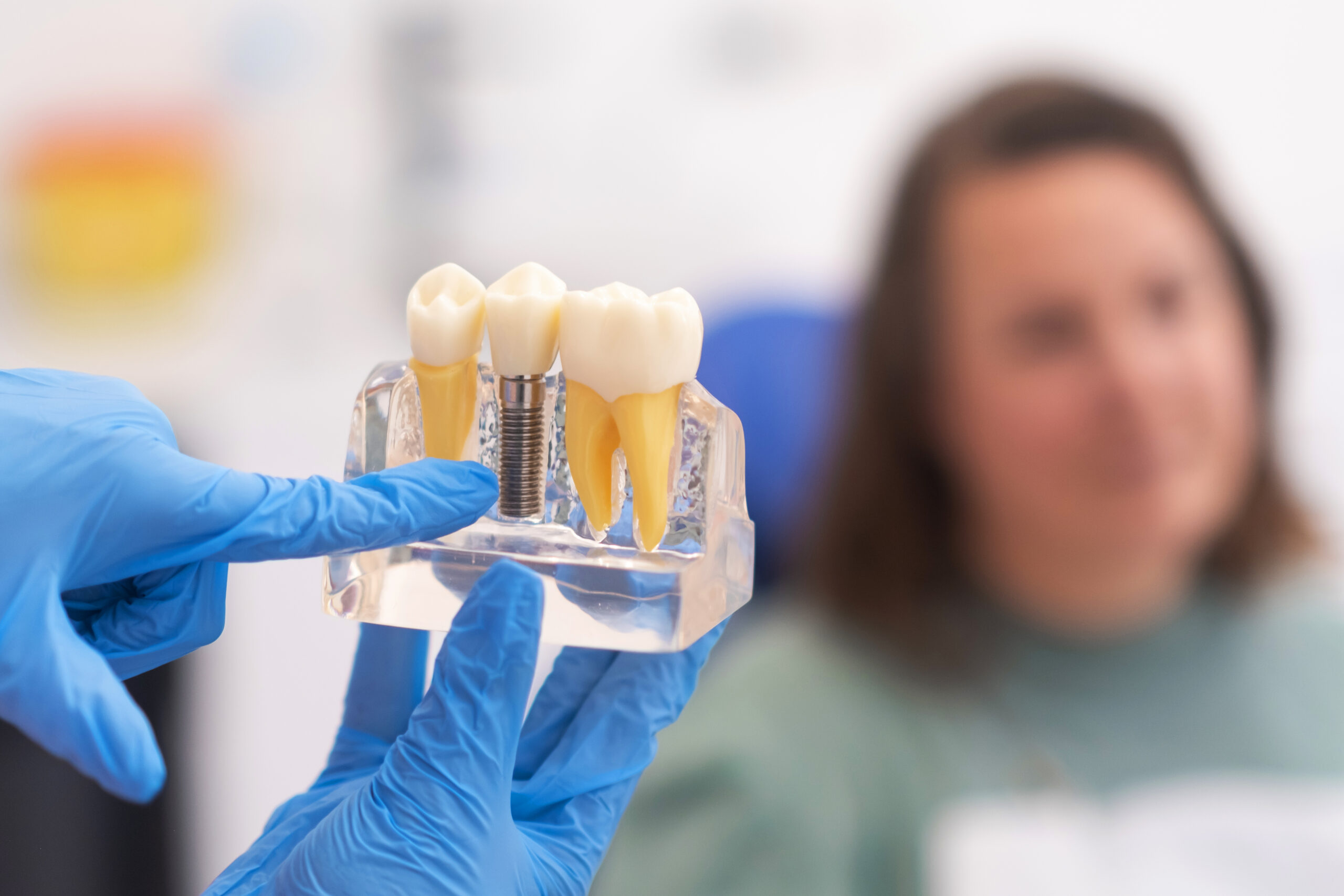
A Prosthodontist Showing a Patient Seeking Affordable Dental Implants How Dental Implants Work on a Typodont

4 Great Options for Affordable Dental Implants

By All-on-4 Dental Implants, Dental Implants

Dental implants are the gold standard for replacing missing teeth. Because the implants integrate with the jawbone, there’s no slipping and sliding like you get with dentures. Dental implants are also the only tooth replacement option that prevents bone loss and, in turn, facial collapse. Plus, with proper care, they can last a lifetime. 

So why doesn’t everyone just get dental implants? Well, some patients worry about how to afford dental implants because of a perception that the price is high. While, yes, dental implants cost more than removable dentures and bridgework, they last much longer and help maintain optimal oral health. For these reasons, they’re actually surprisingly cost-effective over time. 

While this is true for even conventional dental implants, at Naperville Dental Specialists, we offer options that help you enjoy the benefits of implants at a lower price point.

Here are four types of affordable dental implants that won’t break the bank:

Snap-On Dentures: Budget-Friendly and Effective

Snap-on dentures are an economical alternative to traditional implants and a more comfortable, functional alternative to removable dentures. Our American board-certified prosthodontist Dr. Anthony LaVacca uses only two standard implants. Once the jawbone has sufficiently healed around the implants, the dentures are snapped into place. 

Because your snap-on dentures cost is per implant, it’s more affordable than the typical four to eight implants needed for implant overdentures. Treatment makes chewing, speaking and smiling feel more natural. Most importantly, this technique alleviates undue pressure on the gums and jawbone, mitigating the risk of jawbone shrinkage and facial collapse.

Mini Implants: Lower Cost and Quicker Recovery

Mini implants are another excellent solution. How much do mini dental implants cost? Thanks to their smaller diameter, they cost about half as much as standard dental implants. Dr. LaVacca places the mini implants into your jawbone. After a brief healing period, your dentures are permanently fastened to the implants. 

Though your dentures won’t feel quite as secure as they would with full-sized implants, it will be a substantial improvement compared to removable dentures. Additionally, mini implant surgery is simpler, resulting in a faster recovery. 

Implant Overdentures: Stability and Value

Implant overdentures, also called implant-supported dentures, offer a nice balance of stability and affordability. They’re more secure than mini implants and snap-on dentures, but not as expensive as replacing all of your missing teeth with dental implants, because, again, the cost is per implant. 

During dental implant surgery, Dr. LaVacca will place between two and eight implants with ball-shaped attachments into your jawbone. Depending on the situation, he may also use a retainer bar with the implants for better stability. 

Once your jawbone heals, he’ll secure custom, permanent dentures to the implants. Your dentures will stay in place and you’ll care for them like you would natural teeth. They won’t slide around, fall out or look unnatural. The implants will also help to preserve the integrity of your jawbone. 

All-On-4® Dental Implants: Robust and High-Quality

All-on-4 dental implants cost more than snap-on dentures or mini dental implants. Yet, the technique offers a comprehensive solution for patients with diminished jawbone density. In lieu of using bone grafts to regenerate lost bone and placing implants for an entire arch of missing teeth, the All-On-4 method involves inserting four strategically angled implants in the back of the jawbone where there is more density. 

This angular placement offers sturdy support for full dentures. Your new smile will look natural, feel great and provide outstanding function at a significantly lower price than bone grafting and individual implants for each missing tooth. 

How do I find affordable dentures near me?

Don’t just type “affordable dentures near me” into Google and choose the first option. For the best results, visit an American board-certified prosthodontist like Dr. Anthony LaVacca for any type of dental implant procedure. 

After dental school, prosthodontists complete three additional years of in-depth specialty training focused on diagnosing and treating deficient or missing teeth and orofacial structures. This means they have the experience and knowledge to safely and effectively restore smiles with a range of treatments, including all types of dental implants. 

If you’re in the Chicagoland area, schedule a consultation with Naperville implant dentist Dr. LaVacca. He’ll provide expert guidance on the best affordable dental implants for your unique smile.

All-on-4 vs. Dentures

All-on-4 vs. Dentures: 5 Summer Scenarios Where You’ll be Thrilled You Chose All-on-4 Implants

By All-on-4 Dental Implants

If you’re weighing All-on-4 vs. dentures to replace your missing teeth, this is the blog post for you.

As summer approaches, it’s nice looking forward to vacations and meals al fresco with family and friends. But what if worrying about your teeth — specifically your dentures — has, in the past, put a damper on fully enjoying these warm-weather moments? Are you wondering about teeth replacement options that will give you more freedom?

If so, Naperville Dental Specialists and prosthodontist, Dr. Anthony LaVacca, want to introduce you to worry-free All-on-4® dental implants: a fixed replacement for missing teeth that perform just like real teeth. How can All-on-4 give you the summer freedom you’re looking for?

Here are 5 summer scenarios where you’ll be glad for All-on-4 vs. dentures. 

Advantage #1: Eat Your Favorite Summer Foods Without Worry

Corn on the cob. Steak off the grill. Veggies straight from the garden. If you’ve been wearing removable dentures, you’re likely familiar with concerns about your dentures staying put when eating your favorite summer foods. And although many denture-wearers use denture adhesive to help dentures stick, there’s often still a little hesitation.

On the other hand, All-on-4 dental implants let you eat the summer foods you love with peace of mind — they’re a fixed, permanent solution that doesn’t ever require adhesive to stay firmly in place. All-on-4 dental implants act like real teeth, securely embedded into your gums as if they were natural.

Advantage #2: No Denture Cleaning Supplies to Pack

For some, packing for a vacation can be stressful. You have to consider what to pack for the weather, for comfort… and for your health, or course. But with All-on-4 dental implants, one thing you don’t have to pack is denture cleaning supplies. Since you take care of your All-on-4 teeth just like you would natural teeth, all you have to pack is your usual oral care kit for brushing and flossing

Advantage #3: You Can’t Lose or Misplace All-on-4 Dental Implants

When it comes to All-on-4 vs. dentures, this is a big one! It’s definitely not ideal to lose any belongings — especially your teeth — when you’re far from home. Thankfully, All-on-4 dental implants are impossible to lose since they’re permanently affixed and act like real teeth. Now if only the same assurance could apply to hotel key cards, sunglasses, and your cell phone.

Advantage #4: No Adhesive To Apply Before Activities or Eating

Whether you’re at home or away this summer, the last thing you want is to worry about your dentures coming loose during your day. And while it’s true that denture adhesive can help dentures stay in place, your dentures can still come loose when eating hard, crunchy, or sticky foods. Or maybe when doing physical activities like swimming or snorkeling. 

In this respect, you’ll appreciate this difference between dental implants vs dentures: All-on-4 dental implants don’t need adhesive. 

Advantage #5: Picture Perfect Teeth for Confident Summer Photos

Once the leaves start to turn and the weather turns chilly, it’s nice to relive the bright, warm days of summer through the pictures you took. What can make you smile bigger and brighter in those photos? A full set of beautiful, natural looking teeth. All-on-4 treatment results in aesthetic teeth for a fully restored smile you can show off. 

However, if a full set of teeth isn’t what you need, we at Naperville Dental Specialists offer many types of dental implants and cosmetic dentistry options to help you achieve the picture perfect smile you’re after. At Naperville Dental Specialists, Dr. LaVacca is not only a leading expert in All-on-4 treatment but our team also provides exceptional results with veneers, bridges, and conventional dental implants, too.

How Much Do All-on-4 Dental Implants Cost?

Now that you know a few of the perks of All-on-4 dental implants, you might be asking, “How much do All-on-4 dental implants cost?” Simply put, everyone’s teeth are different so costs do vary. And keep in mind that one of the benefits of All-on-4 implants vs treatment like dentures is that they’re meant to last a lifetime. 

As your Naperville dentist, we’re transparent and up-front with your costs so you can plan accordingly from the get-go. We also offer flexible payment plans that break up the cost of All-on-4 into low monthly payments. Plus, we offer the VantageOne dental plan — a membership that saves you money on dental implant treatment as well as diagnostics, cleanings, and oral surgery to name a few. 

All-on-4 vs. Dentures: The Bottom Line

If you’re looking for a way to replace all of your missing teeth that won’t interfere with summer fun, All-on-4 may be your best bet. When comparing All-on-4 vs. dentures, consider stability, results and convenience.

All-on-4 Treatment With a Chicagoland Leading Dental Specialist

Ready for functional, secure, and stunning teeth? With extensive training in this type of teeth replacement option, prosthodontist, Dr. LaVacca, is your go-to dental specialist in the Chicagoland-area for All-on-4. Schedule an initial free consultation to find out if All-on-4 dental implants from Naperville Dental Specialists is your ticket to summers free of worry over your teeth or dentures.

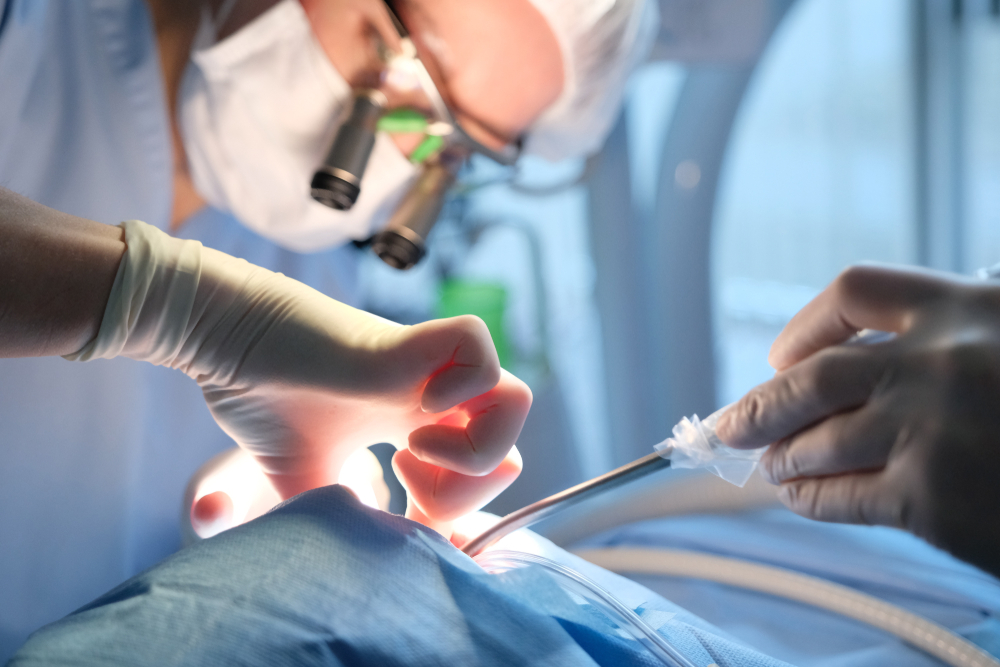
A dentist performing a bone graft for dental implants used as the photo for a blog titled How Long After a Bone Graft Can You Get a Dental Implant?

How Long After a Bone Graft Can You Get a Dental Implant?

By Blog, Dental Implants

While you’ve probably heard of dental implants, not everyone is as familiar with bone grafting. But, for many patients, getting a bone graft is part of the dental implant process. Once the bone grafting material is in place, it takes time for it to heal and for new bone to form in order to support the implant. So, how long after a bone graft can you get a dental implant? The experts at Naperville Dental Specialists have answers. 

In this post, we’ll discuss:

  • What is a dental bone graft?
  • Is a bone graft always part of the dental implant process?
  • What happens during the bone grafting procedure?
  • How long does a bone graft take to heal and what is the recovery like?
  • How long after a bone graft can an implant be placed?
  • What is the dental implant process timing from start to finish?
  • How long does a bone graft last without an implant?

What is a Dental Bone Graft?

When you’re missing teeth, the underlying jawbone isn’t stimulated anymore, which signals to the body that it’s not needed. Over time, the body reabsorbs the bone. This jaw bone loss can not only impact your facial appearance and the health of your remaining teeth, it can also make it difficult to place dental implants. This is because implants need adequate quality and quantity of bone to support them.

The good news is, a dental bone graft is an excellent solution. Our Naperville implant dentist, Dr. Anthony LaVacca, places bone graft material into the empty socket after a tooth is extracted or in areas of the mouth where bone is deficient. The grafting material acts almost like a scaffold and new bone cells are created around it. Eventually the bone regenerates, replacing the graft materials and giving you bone where you need it. 

The type of bone graft procedure and material will depend on your unique needs. However, most commonly, Dr. LaVacca and his team use allografts. These grafts are made of donated bone materials that have been refined and sterilized. Allografts are biocompatible, high quality and don’t require another surgical procedure to take bone from somewhere else in your own body. 

Is a Bone Graft Always Part of the Dental Implant Process?

Not always. At Naperville Dental Specialists, Dr. LaVacca offers advances like All-on-4® dental implants. If you’re a candidate, the technique allows him to replace all of the teeth in one or both arches using just four, strategically placed implants without bone grafting. Additionally, some patients naturally have enough bone to support a dental implant or are able to replace a missing tooth before any bone loss occurs. When that’s the case, bone grafting isn’t necessary.

That said, it is extremely common for getting a bone graft to be part of the dental implant process. If you’re having a tooth extracted, we can usually perform a bone graft immediately after the extraction. This way, you’ll be ready for a dental implant. Even if you’re not sure about dental implants, a bone graft after an extraction might still be recommended in case you do decide to get an implant in the future.

Bone Graft

What Happens During the Bone Grafting Procedure?

There are several different types of bone graft procedures, including socket preservation, a sinus lift and ridge augmentation. Though the specifics will be slightly different depending on your needs, it’s actually a quick, minor procedure. 

We use local anesthetic (we also offer sedation if you’re anxious) to numb the area, so you won’t feel any discomfort. Dr. LaVacca then places the bone grafting material into the empty tooth socket or makes an incision and places it in the section of the jaw that needs augmenting. 

If you lost an upper molar or premolar and you’re having a sinus lift performed, Dr. LaVacca makes a small opening above the missing tooth. He then lifts the sinus membrane up and packs bone grafting material beneath it. This ensures there will be enough room to place the dental implant without damaging the sinus pocket. 

Depending on the type of graft, Dr. LaVacca may place a covering, or membrane, over it and secure it with dissolvable stitches. 

How Long Does a Bone Graft Take to Heal and What is Recovery Like?

Pain is usually pretty mild after a bone graft. Taking an over-the-counter pain reliever can help manage discomfort. Swelling is normal, especially if you also had a tooth extraction. Hold a cold compress in the area of the procedure for 10 minutes at a time for the first day after surgery. Try to sleep with your head elevated and avoid strenuous physical activity until your dentist gives you the go-ahead. 

You’ll want to stick with liquids and soft foods in the days right after the procedure. Even after you resume your normal diet, don’t eat hard, crunchy or sharp foods for a few weeks. Be sure to follow the detailed post-op instructions we give you, which will include how to keep the area clean and any complications to keep an eye out for.

As for how long a bone graft takes to heal, you will probably feel completely back to normal within two weeks. But, the bone will still need to regenerate, so it takes three to nine months for most patients to fully heal. 

How Long After a Bone Graft Can an Implant be Placed?

There are some cases where we can do a sinus lift and dental implant placement in a single procedure. However, many times, such as with socket preservation, a bone graft needs to mature before it can support a dental implant. 

In order to determine how long after your bone graft you can get a dental implant, Dr. LaVacca will have you come in for a post-op visit so he can monitor your healing. The timing can vary depending on your oral and overall health, as well as other factors. Generally, we can place an implant three to four months after a bone graft, though it might be a bit sooner or later. 

What is the Dental Implant Process Timeline From Start to Finish?

The dental implant process timeline varies according to the procedures you need. Dr. LaVacca is an American board-certified prosthodontist and stays on the leading-edge of his field. He’s able to offer revolutionary treatment options, including All-on-4 and Teeth-in-a-Day®.

If you’re a candidate for a procedure like Teeth-in-a-Day, you’ll get your permanent replacement teeth on the same day as your dental implant surgery. If you didn’t require an extraction and bone graft beforehand, you won’t have any waiting period. A few weeks after your consultation, you’ll get a brand new smile.

If you opt for traditional dental implant surgery, the dental implant process timeline will run about three to six months. Dr. LaVacca will place a titanium or zirconia dental implant into your jawbone. The implant will be allowed to heal for three to six months, during which it will fuse with your jawbone in a process known as osseointegration. After it heals, Dr. LaVacca will attach your permanent replacement tooth. 

How long is the dental implant process when bone grafting is involved? It will look something like this:

  • Extraction and bone graft 
  • Three- to four-month healing period
  • Dental implant surgery 
  • Three- to six-month healing period
  • Permanent replacement tooth

That means the process can take six months to a year to complete. Whichever option you go with, we often give you a temporary replacement tooth during the healing period.

How Long Does a Bone Graft Last Without an Implant?

Maybe you’re thinking about getting a bone graft or you already got one and you’re still trying to decide if you want a dental implant. If that’s the case, you’re probably wondering, how long does a bone graft last without an implant?

Unfortunately, there isn’t a concrete answer that applies to everyone. In general, we encourage patients to get a dental implant within six to 12 months of the bone graft. This is because the implant puts the same pressure on the bone that your tooth roots did, which maintains the quantity and quality of bone, preventing bone loss. 

However, technically, a bone graft can last forever in some patients, though the quantity of bone will change. Over time, if a dental implant isn’t placed, the new bone that formed thanks to your graft will resorb just like your natural bone did. The atrophy will eventually slow, however. It really depends on your unique situation and oral health as to whether you can get a dental implant years down the road without needing another bone graft. 

The Bottom Line:

There are cases where bone grafting and dental implant surgery can be done at the same time. For others, Dr. LaVacca offers state-of-the-art tools and techniques like All-on-4, which can help certain patients avoid bone grafting altogether. However, most patients who require a bone graft will need to wait three to four months after the graft to have dental implants placed. 


Learn More About Bone Grafting & Dental Implants in Naperville, IL

As a leading prosthodontist, Dr. LaVacca can help you replace missing teeth with dental implants in the safest, most precise and efficient way possible. Using high-tech diagnostics, he’ll determine if you need a bone graft and create a personalized treatment plan and timeline for you. The end result will be a beautiful, functional smile and improved oral health. To learn more about your options, schedule a consultation with our Naperville implant dentist today!

smiling couple

Can Dental Implants Improve Your Health?

By Blog, Implant Dentistry

Dental implants can not only improve the appearance of your smile but also your quality of life and your health. Dental implants are a long-lasting, stable, strong alternative to dentures or dental bridges for replacing one or more missing teeth. Our Naperville dental implants patients can attest to the life-changing benefits of the treatment. While we’ve talked before about the cosmetic perks, today we’re discussing the ways dental implants can improve your oral and overall health. 

What Happens if You Don’t Replace Missing Teeth?

When you lose a tooth, the teeth surrounding the empty space have a tendency to shift and fill in the gap. This will leave you with crooked teeth and spacing, which doesn’t just impact the appearance of your smile but also makes teeth harder to keep clean and can result in uneven wear of the teeth. It can also weaken the surrounding teeth and cause further tooth loss. You may experience difficulty with chewing and speaking clearly when a tooth or teeth are missing as well.

Another consequence of a missing tooth is bone resorption. If the tooth isn’t replaced, there is nothing stimulating the bone and gum tissue where it once was. This causes the jawbone and gum tissue to deteriorate, leaving you with a sunken face that looks older than it really is, as well as discomfort.

How Do Dental Implants Work?

Dental implants, both titanium and zirconia, are surgically placed in your jawbone. They fuse with the bone and act as the tooth’s root. Once your bone heals following dental implants surgery, a permanent, lifelike replacement tooth, called a crown, is attached to the implant. Your new tooth functions and looks just like your natural tooth. We can replace just one or even all of your teeth with dental implants.

What are the Health Benefits of Dental Implants?

Many of our Naperville dental implants patients seek us out because they’re worried about the appearance of their smile. The cosmetic benefits of dental implants are not something to overlook. Replacing missing teeth with a titanium dental implant or zirconia dental implant will truly revitalize your smile and make you look healthier and more youthful. This leads to a huge increase in self-esteem and self-confidence that will have a positive effect on all areas of your life. Yet, as we mentioned, there are also important oral health and overall health benefits of dental implants, including:

  • Allowing You To Chew Properly – With missing teeth or dentures, you may find yourself skipping certain foods because you have a reduced ability to chew. Fresh, crunchy vegetables, nuts and seeds are among the healthy foods you may forgo. Since dental implants fuse with your bone, they act like natural teeth and you can chew with confidence. This means you can eat a more varied diet, which can improve your health. 
  • Preventing Jawbone Shrinkage – Dental implants stimulate your jawbone just like your natural teeth do. This is a huge benefit of dental implants vs. bridges or dentures. While dentures and bridges are useful for replacing missing teeth and restoring the appearance of your smile, you’ll still experience bone resorption and deterioration. This causes a shrunken, shriveled appearance to your face and can cause pain and discomfort. Dental implants keep your jaw healthy and strong and this is essential to your oral health.
  • Avoiding Malocclusion – Malocclusions, or issues with the positioning or alignment of the teeth and jaw, can occur when missing teeth aren’t replaced. When you lose a tooth, the teeth around the gap tend to shift in an attempt to fill in the space. Because teeth are harder to clean when they’re crooked, you have an increased risk of tooth decay and gum disease. Additionally, when teeth aren’t in their correct places, they’re susceptible to excessive wear of the enamel.
  • Boosting the Health of Gums When You Choose Zirconia Dental Implants – The two main types of dental implant materials are titanium and zirconia. When comparing zirconia dental implants vs. titanium implants a great perk of zirconia implants, sometimes called holistic dental implants or ceramic dental implants, is the fact that zirconia resists plaque. This helps prevent gum disease. Your gum tissue is a barrier that wards off inflammation. Gum disease introduces bacteria into the bloodstream and this bacteria result in inflammation. This is likely why gum disease is tied to a number of health problems including heart disease, stroke, diabetes and, in women, premature birth. Therefore, keeping your gums healthy isn’t just good for your oral health but it also benefits your overall health.

If you’re ready to improve your health and smile with either titanium or zirconia dental implants, schedule a complimentary consultation with our Naperville prosthodontist Dr. Anthony LaVacca. He has the experience and knowledge to help you decide on the best type of dental implant procedure for your smile and needs. Book your visit online or by giving us a call at (630) 848-2010 today!


Zirconia vs. Titanium Implants: What’s the Difference?

By Blog, Implant Dentistry

Dental implants have quickly become one of the most popular restorative procedures in the world of adult dentistry. This is because implants are a permanent, attractive, comfortable solution to missing teeth. Our Naperville implant dentist, Dr. Anthony LaVacca, has been a leader in prosthodontics and stays at the forefront of the latest advances in the field. One of these advances is the zirconia dental implant, which we offer at Naperville Dental Specialists. When it comes to zirconia vs. titanium implants, patients are often curios as to what the difference is. We’ll be covering what sets zirconia implants apart and how they can transform your smile. 

What are Zirconia Implants?

Before we dive into zirconia vs. titanium implants, first let’s discuss exactly what zirconia implants are. Sometimes referred to as ceramic implants, holistic implants or zirconium dental implants, these implants are metal-free. They’re made of durable zirconium that is naturally white in color, which helps the implant blend in with your smile. Zirconia is biocompatible and the implant integrates into the jawbone, acting just as your tooth’s root would. A permanent replacement tooth is attached to the zirconia dental implant. 

At our practice, we use Z-systems ceramic dental implants. These high-quality implants have an innovative design that allows us to offer same-day dental implants instead of having to do it in two phases. With our Z-systems zirconia implants and our in-house lab, we can design, fabricate and attach a crown on the same day as your surgery so you can leave the office with a new tooth. 

Zirconia Dental Implants vs. Titanium Dental Implants

The two main types of dental implants are zirconia and titanium. While titanium implants are a great option for many patients, there are benefits to zirconia implants. Let’s compare some of the features:

  • Aesthetics 

Ceramic dental implants, or zirconia implants, are the clear winners when it comes to aesthetics. Titanium implants are made of metal so there can be a gray cast at the gum line in people with thin gum tissue. Or, if you experience gum recession, some of the metal can peek out. Zirconia dental implants are the same color as your teeth, so even if you do experience gum recession, it will not be noticeable. When combined with a porcelain crown or a crown that has porcelain on the outside and zirconia on the inside, you’ll get the most realistic, lifelike result. Unlike titanium, zirconia lets light pass through it just like a natural tooth does.

  • Gum Health

While plaque can adhere to titanium, zirconia implants actually resist plaque, which helps to keep gums healthier and reduces the likelihood of gum inflammation after you procedure. Gum disease has been tied to a host of health problems, including diabetes, stroke, heart disease and, in women, premature labor, so promoting healthy gums is an excellent benefit of ceramic implants. 

  • Biocompatibility

Both titanium and zirconia are biocompatible. However, zirconia has been shown to have improved biocompatibility. Some patients are concerned about corrosion, chemical leaching and reactions with titanium implants. Over time, if the metal corrodes, the micro-particles can get into your tissues and bloodstream. You don’t need to worry about these risks with zirconia because the material is bio-inert and non-corrosive. Zirconia is optimally tolerated by the body and it is the safest, most holistic solution for missing teeth. 

  • Healing

When comparing zirconia vs. titanium dental implants, zirconia does promote a superior soft tissue response and elicits less of an inflammatory response. This means faster healing and the gums regenerate more quickly and adequately. There is also less of a chance of gum recession with zirconia, while some patients experience receding gums around titanium implants. 

  • Conductivity

Titanium conducts thermal energy, as well as electromagnetic energy, which some theorize has health implications. Zirconia implants, on the other hand, do not react with electromagnetic fields. Additionally, they have a low thermal conductivity, meaning you won’t feel hot and cold sensations in the tooth, which improves comfort. 

  • Allergy Potential

Metal allergies can cause a variety of problems, including swelling, implant failure, loss of taste, and more. Ceramic implants are metal-free and hypoallergenic. This makes them the best dental implants for anyone who has a sensitivity or allergy to metal.  

  • Strength and Design

Zirconia dental implants are exceptionally strong and don’t scratch or corrode. They can withstand an enormous amount of biting pressure, making them ideal for both front and back teeth. While titanium is durable as well, it does have the potential to corrode. As for the design, as we mentioned earlier, the Z-systems ceramic dental implants we use are crafted from one piece and placing them is a one-part procedure. Some titanium implants are comprised of two pieces: the implant and the abutment. For these types of implants, bacteria can get lodged between the pieces, which can ultimately lead to implant failure. Additionally, depending on the design, the implant procedure may need to be done in two phases as opposed to one. 

Now that you have all of the information about zirconia vs. titanium dental implants, schedule a complimentary consultation with our Naperville implant dentist, Dr. LaVacca, by giving us a call at (630) 848-2010. He’ll be able to determine the best dental implants for your unique needs so that you can smile with confidence. 


Man smiling with friends

What is a Dental Bridge and How Can it Restore Your Smile?

By Blog, Dental Bridge, Dental Implant Bridge

Missing teeth can significantly impact your quality of life by interfering with chewing and speaking, as well as making you feel extremely self conscious. Not only that, when you lose a tooth, the surrounding teeth tend to shift to fill in the gap, which creates issues with your occlusion, or bite, and can lead to things like gum disease. It’s important to replace a missing tooth, or teeth, and one of the ways our Naperville dentists do that is with a dental device known as a dental bridge. Read More

Woman smiling with healthy teeth

Are Dental Implants Safe?

By Dental Implants, Blog

Dental implants are an increasingly popular way to replace missing teeth and for good reason. They’re permanent, stable and look and function just like your natural teeth. There isn’t a better way to restore your smile. But are dental implants safe? Well, as with any procedure, there are risks involved with dental implant surgery and these risks can lead to implant failure. That is why it’s essential to see an experienced doctor like our Naperville prosthodontist Dr. Anthony LaVacca. When you work with a skilled dental implant specialist, dental implants are safe and the benefits far outweigh the risks. Here’s what you need to know about dental implant safety and the steps we take at Naperville Dental Specialists to ensure the procedure is a success.
Read More

Woman rinsing her mouth with mouthwash

Bulimia and Teeth: Side Effects, Considerations and Treatments

By Bulimia, Bulimia and Teeth, Eating Disorders and Teeth, Oral Health, Tooth Decay

Bulimia nervosa is an eating disorder that involves a cycle of binging and purging, which refers to binge eating followed by using compensatory behavior, such as self-induced vomiting, laxative use, excessive exercise, fasting or using diet pills or diuretics to rid the body of calories. It’s a serious, potentially life-threatening condition that can affect all aspects of your health, including your oral health, particularly if you practice self-induced vomiting. While the effects of bulimia on the teeth can be significant, that doesn’t mean there’s nothing you can do about it. Today we’ll be covering everything you need to know about bulimia and teeth from the oral health side effects of the disorder to the treatment options available to restore your smile.
Read More

Couple smiling after contacting us for dental care

Missing Teeth? Your Guide to the Different Types of Dental Implants

By Dental Implants, Implant Dentistry

Dental implants are an extraordinary advance in dentistry and give patients a permanent, comfortable, attractive solution to missing teeth. Because dental implants integrate into the jawbone, they function just like regular teeth. Dentures can slip out of place and are often uncomfortable and a dental bridge involves altering adjacent healthy teeth, making implants a much better option. Our Naperville prosthodontist Dr. Anthony LaVacca has expertise in a variety of different types of dental implants, as well as techniques, in order to accommodate patients’ needs, goals and budget. Here are some of the choices you’ll find at Naperville Dental Specialists:

Read More

Close Menu