

Category

Teeth Whitening

what does apple cider vinegar do for your teeth

What Does Apple Cider Vinegar Do For Your Teeth?

By Blog, Teeth Whitening

Apple cider vinegar has been touted as a cure-all for everything from heartburn to acne. While there aren’t a ton of studies to support many of the claims, the home remedy is still incredibly popular.

Recently, there have been articles and blog posts about the benefits of apple cider vinegar for oral health. What does apple cider vinegar do for your teeth? Recommendations include drinking a glass of it a day, using it as mouthwash and even rubbing it directly on the teeth to make them whiter.

But, before you jump on the apple cider vinegar bandwagon, get the facts from our Naperville general dentists.

What are the Supposed Benefits of Apple Cider Vinegar for Oral Health?

So, what does apple cider vinegar do for your teeth according to proponents’ claims? Some say that when used as a mouthwash, it can kill the bacteria in the mouth that cause cavities and gum disease, and the potassium in the vinegar can help to strengthen teeth.

Yet, the most popular application is using apple cider vinegar for teeth whitening. Some suggest brushing it directly on the teeth, while others say to mix it with baking soda. 

Is Apple Cider Vinegar Bad For Your Teeth?

Apple cider vinegar is acidic. It typically has a pH between 2.5 and 3. For reference, distilled water, which is neutral, has a pH of 7. Any type of acid, including the acetic acid in apple cider vinegar, can erode tooth enamel. So, yes, drinking or swishing with large quantities of apple cider vinegar is bad for your teeth.

When the enamel breaks down, it leads to sensitivity and puts you at a higher risk for tooth decay. Eventually, as the underlying dentin is exposed, your teeth will also look yellow.

A 2014 study examined the erosive effects of different types of vinegar on tooth enamel. The researchers found that between 1% and 20% of the minerals in the enamel were lost when the enamel was soaked in various kinds of vinegar for four hours.

While the study did demonstrate that vinegar eroded teeth, it didn’t account for factors like the impact of saliva on the process, so more research is needed to understand the full extent of damage.

A 2012 case study of a 15-year-old girl whose enamel was significantly eroded found that the erosion was due to the daily glass of apple cider vinegar she drank for weight loss. 

There are no conclusive studies on whether apple cider vinegar is more effective at killing cavity-causing bacteria in the mouth than any other remedies.

Does Apple Cider Vinegar Make Teeth Whiter?

Studies, including one published in 2014, found that apple cider vinegar does make teeth whiter. However, though it has a minor bleaching effect, it can also damage the hardness of the enamel. 

The American Dental Association has weighed in on the topic. Their stance? Don’t whiten your teeth with apple cider vinegar, because the prolonged contact can wear away enamel. 

The minimal results that you’d get aren’t worth the risk. You’d achieve safer, much more dramatic results with a professional teeth whitening treatment at your dentist’s office. 

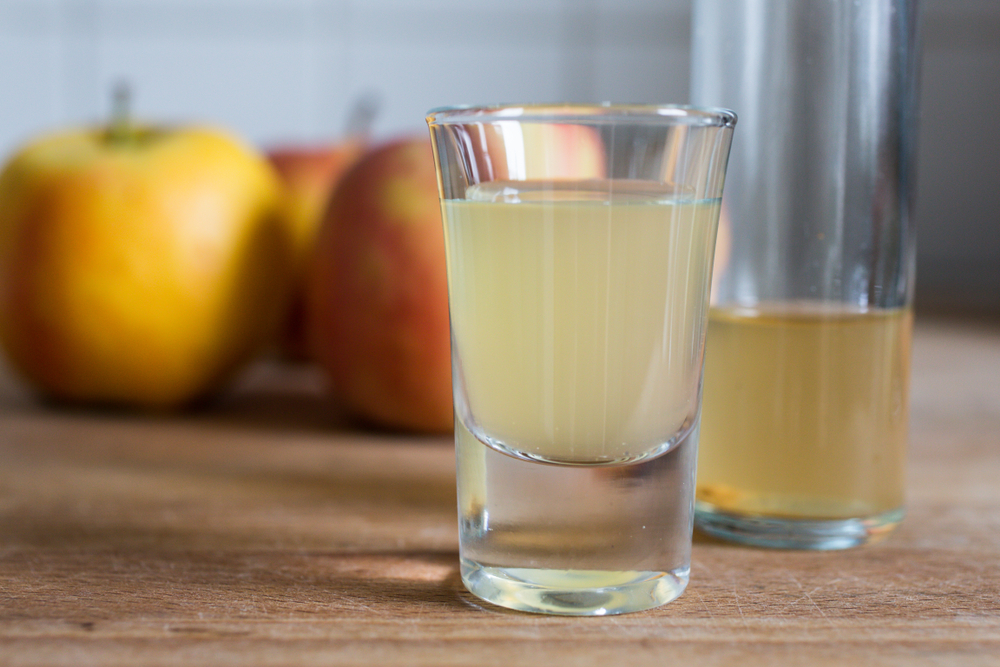
A picture of apple cider vinegar in a shot glass for a blog post titled, "What does apple cider vinegar do for your teeth?"How to Protect Your Teeth From Apple Cider Vinegar
While large amounts of apple cider vinegar can damage your teeth, you don’t have to forgo it all altogether. Here’s how to protect your teeth from apple cider vinegar:

  • Dilute the vinegar with water. If you’re drinking it for health purposes, use five parts water for every one part apple cider vinegar.
  • Enjoy it in moderation. Putting it on a salad or having the occasional diluted glass of it is fine for most people’s teeth. 
  • Never use apple cider vinegar as a mouthwash or drink it straight from the bottle. 
  • Consider switching to a supplement. Some companies sell apple cider vinegar in pill form, allowing you to get the benefits without it coming into contact with your teeth. 
  • If you have apple cider vinegar (or anything acidic), wait at least 30 minutes before brushing your teeth. If you brush your teeth immediately, you can damage your enamel while it’s temporarily weakened from the acidity. 
  • After eating or drinking something with apple cider vinegar in it, rinse your mouth out really well with water. This will reduce the amount of vinegar that sits on your enamel. 
  • Practice good oral hygiene. Brush your teeth at least twice a day with a fluoride toothpaste and floss once daily. When your enamel is strong, you’ll be less vulnerable to the effects of apple cider vinegar on your teeth. 

What Does Apple Cider Vinegar Do For Your Teeth? The Bottom Line

Unfortunately, there isn’t scientific evidence to back up many of the apple cider vinegar oral health claims. Because it’s acidic, it can actually lead to enamel erosion. To get whiter teeth or better oral health, talk with your dentist for personalized recommendations.

Schedule a Visit With a General or Cosmetic Dentist in Naperville, IL

If you have oral health concerns or want to get whiter teeth, schedule a visit with a general or cosmetic dentist at Naperville Dental Specialists. We can give you personalized recommendations to improve your oral health or whiten your teeth in a way that’s safe and effective.

A woman pointing to her smile after getting fast teeth whitening

What’s the Best Option for Super Fast Teeth Whitening?

By Blog, Teeth Whitening

The Fastest Way to Whiten Teeth

This month, we’re sharing another question the team at Naperville Dental Specialists received from a patient. 

“I have a class reunion coming up in about one week. I don’t think that is enough time to get my teeth really white with over-the-counter whitestrips.  Would professional whitening get my teeth really white by then?”Desiree M. 

We’ll be answering Desiree’s question and discussing the different ways to get a brighter smile, the fastest way to whiten teeth and the types of teeth whitening we offer in Naperville, IL. 

How to Whiten Teeth

Before we dive into Desiree’s question about how to whiten teeth on a tight deadline, let’s talk about the different ways to whiten teeth in general and the pros and cons of each:

  • Whitening Toothpaste 

One option for low cost teeth whitening is to use a whitening toothpaste. You can opt for a traditional version like Crest 3D White Brilliance Toothpaste or Arm & Hammer Advance White Extreme Whitening Toothpaste

While all toothpastes are abrasive, whitening ones are even more abrasive in order to remove surface stains from the teeth. However, when whisking away stains, the products also take off a microscopic layer of tooth enamel, which can be tough on your smile. So, they’re not recommended for people with sensitive teeth or weakened enamel. 

In addition to traditional whitening toothpastes, there’s a lot of buzz about activated charcoal teeth whitening products. You typically mix the charcoal powder with water to create a paste that you then brush on your teeth with your toothbrush like you normally would. After letting it sit, you rinse it away. 

While billed as a natural teeth whitening solution, charcoal whiteners are no more effective than other toothpastes. They’re safe but still only remove surface stains caused by environmental factors like drinking coffee or eating certain foods. 

Pros:
Lowest cost teeth whitening option
Easy to use
Gets rid of mild surface stains
Cons:
Only gets rid of mild surface stains
Won’t dramatically whiten your teeth
Has to be used every day for a prolonged period of time to see results
Charcoal teeth whitening toothpaste doesn’t contain fluoride
Can cause sensitivity
Rough on teeth and not appropriate for people with weakened enamel
  • Over-the-Counter, At-Home Teeth Whitening Kits

Over-the-counter teeth whitening kits come in two main forms: teeth whitening strips and trays. The at-home teeth whitening trays you can purchase online also sometimes include an LED light along with the trays and bleaching solution. 

These are more effective than whitening toothpaste but still only get your teeth a few shades whiter. They can also cause or exacerbate tooth sensitivity. Whitening strips contain a layer of whitening solution and stick on your teeth. With the trays, you fill each tray, which looks like an Invisalign aligner, with bleach and let it sit on your teeth, with or without an LED light. 

Pros:
Most options are fairly affordable
More effective than whitening toothpaste
Will get teeth several shades whiter
Can be done at home
Cons:
Takes 10 days to three weeks to work
Can be messy
Strips often slide around 
Some have to be used for up to 30 minutes at a time 
Doesn’t eliminate deeper set stains
You have to be diligent with using it every day for weeks to get results


  • Professional At-Home Teeth Whitening

Another option for those who prefer to do their teeth whitening at home, is a professional take-home whitening treatment from your dentist. Your dentist will provide you with custom trays and a professional-grade whitening solution. Since your dentist will perform an exam first, you’ll have peace of mind knowing you’re a good candidate for whitening and that it won’t cause sensitivity or other issues. 

While you will have to use the whitening kit daily for about a week, the bleaching solution is stronger than what you can get over the counter, meaning your teeth will be whiter than they would if you used a kit you ordered online. The results will also last longer. 

Pros:
Can whiten your teeth at home
Stronger and more effective than over-the-counter fast teeth whitening kits
Your dentist makes sure your teeth will respond and it won’t cause complications
Contains a safe, expert-approved bleaching solution 
Works more quickly than over-the-counter methods
Easy to use
Lasting results
Cons:
More expensive than whitening toothpaste or whitestrips
Results take about a week
Has to be used every day
Won’t get teeth as white as they would with an in-office treatment


  • In-Office, Professional Teeth Whitening

When you get in-office, professional teeth whitening, your cosmetic dentist applies a professional-strength whitening gel to your teeth. A specially designed light is then used to activate the solution. Once activated, the whitening solution breaks down stains on your teeth, including deeper set stains that can’t be removed with other teeth whitening methods. 

Pros:
Gets teeth dramatically whiter
Removes deeper stains
More effective than any other teeth whitening method
Only takes one session, which lasts about an hour
Done at your dentist’s office after they’ve made sure you’re a candidate for whitening
The longest lasting option (your teeth will always be whiter than they were prior to treatment)
Safe for enamel
Doesn’t cause tooth sensitivity
Predictable results
Cons:
More expensive than over-the-counter teeth whitening kits and toothpaste
Not suitable for every patient, including kids under 13
Have to drive to the dentist’s office

An image of a woman putting her fingers around her mouth for a blog post on super fast teeth whitening

What’s the Best Option for Super Fast Teeth Whitening?

Getting back to Desiree’s question, the fastest way to whiten teeth is an in-office, professional teeth whitening treatment. It will dramatically whiten your teeth in about an hour and in a single office visit.

Professional, take-home teeth whitening would also brighten Desiree’s smile in a week – just in time for her reunion. However, the results wouldn’t be as dramatic as they would be with in-office whitening. 

The majority of over-the-counter teeth whitening kits would not produce results in a week. Additionally, they don’t target deeper stains and won’t get teeth as white as professional treatment. The higher-concentration whitening solutions used by your dentist can only be purchased by professionals and aren’t available online or at a store.

Our Naperville, IL Teeth Whitening Options

At our practice, we offer both professional, take-home whitening kits and in-office, fast teeth whitening in Naperville, IL. Whichever option you choose, a Naperville cosmetic dentist will assess your teeth and gums and make sure you’re a good candidate for the treatment. Then one of our team members will go over the logistics, such as your teeth whitening cost.

If you opt for a take-home kit, you’ll be provided with all of the instructions you need, as well as a safe, effective whitening solution that you’ll apply using plastic trays. 

With an in-office whitening treatment, we’ll apply a gel to your teeth and activate it using a special light. The process takes about an hour. Before you leave, we’ll give you post-whitening care instructions. By following the instructions and practicing good oral hygiene, your results can last for years. 

Schedule Your Visit for Teeth Whitening at Naperville Dental Specialists!

Are you ready for a more dazzling smile? Schedule a visit with us to find out if you’re a candidate for professional teeth whitening in Naperville, IL. Book your appointment online or by calling us at (630) 848-2010. 

The Ultimate Guide to How to Whiten Teeth

By Blog, Teeth Whitening

If we’ve learned anything in our years as Naperville’s general dentists, it’s that everyone wants a perfect pair of sparkling pearly whites. But between the foods we eat and the habits we create, getting shiny white teeth can be easier said than done. Whitening your teeth (and keeping them that way) requires good oral hygiene practices, including brushing, flossing, regular cleanings, and avoiding things that cause damage and discoloration, like smoking and poor diet.

If you’re suffering from teeth stains or yellowing teeth, don’t worry — you’re not alone. There are many ways to whiten your teeth, both at home and at the dentist, and things you can do to keep discoloration at bay. But while at-home practices can be effective, nothing will give you the same dramatic results as professional teeth whitening.

No matter which teeth whitening method you choose, the experts at Naperville Dental Specialists are here to help you restore your teeth to their former brilliancy. Let’s take a look at what causes tooth discoloration and how to put the “white” back in your pearly whites. 

What Causes Yellow Teeth

There are many factors that contribute to yellow teeth — from lifestyle and diet choices to genetic predispositions and aging. Some of these things are in our power to change; for example, we can choose to eat more fruits and veggies and avoid smoking. Other things are just a part of how we’re built.

When it comes to whitening your teeth, it’s important to understand that your teeth have two basic parts: the enamel (or outer layer) and dentin (or inner core). As we age, dentin naturally yellows which unfortunately is just a part of growing older. But there are ways to combat the aging process, and to whiten your enamel, to keep your teeth looking whiter for longer. Here’s how:

  • Eat healthy, nutritious foods: A diet that lacks proper vitamins and nutrients will lead to premature aging of the dentin, meaning your teeth will look yellow quicker. At the same time, your enamel can become discolored by highly pigmented foods and drinks, like red wine, coffee and tobacco. Fortunately, eating a diet rich in healthy, nutrient-packed foods will slow yellowing down and whitening treatments are extremely effective to clear up your enamel.
  • Protect your teeth from trauma: Grinding and trauma from accidents, falls or sporting injuries can all accelerate the aging of the dentin. As we’ve learned, that equals yellow teeth. When you grind your teeth or suffer damage from an accident, the force can cause the dentin to shrink and trigger the aging process, so be sure to take good care of your teeth.
  • Get a whitening treatment: From at-home solutions to in-office professional services, there are so many ways to get whiter teeth. Keep reading to find out more and then ask your dentist which method is best for you.

How to Get Whiter Teeth

Now that you know what’s dulling your teeth’s shine, let’s talk about the best way to get whiter teeth. The most effective solution is professional teeth whitening but it can be more of an investment than some patients are ready to make. For those who prefer to whiten their teeth on their own, there are plenty of DIY teeth whitening practices you can try. Just be aware that while at-home methods and regular cleanings at your dentist will help get rid of surface stains, they won’t be able to clear away deep, set-in discoloration. In most cases, professional teeth whitening is the best solution.

  • Teeth whitening strips: It seems that every major toothpaste brand has some sort of teeth whitening product that promises to give you the shiny, white teeth of your dreams. This type of method is super popular for good reason: it’s super affordable and you can do it in the comfort of your own home.

The truth is whitening strips are actually effective — but that doesn’t make them safe. These strips typically contain hydrogen peroxide, which definitely makes your teeth whiter by breaking down the molecules that cause discoloration in both your enamel and dentin. But hydrogen peroxide is considered toxic or harmful when used in the mouth, so the side effects may not be worth the pearly whites after all.

  • Activated charcoal: This one is for the DIY-ers out there. Activated charcoal has long been used to promote detoxification and treat poisoning, dating back nearly 200 years. The healing properties of activated charcoal have stood the test of time and are now used in all types of beauty and health products, including teeth whitening methods. Unlike hydrogen peroxide, activated charcoal cannot reach the dentin and can only whiten surface stains caused by environmental factors, food and drinks — but it is a 100% safe, natural way to whiten your teeth.
    To try it out, make a paste with activated charcoal, then smear it on your teeth and let it sit for 5-10 minutes. Then rinse and brush away anything remaining. Since charcoal is quite abrasive, it’s best to only use this homemade toothpaste a few times a week.
  • Professional teeth whitening: Like we’ve mentioned, this is the only guaranteed way to get whiter teeth that last. Professional teeth whitening can safely get rid of stains and yellowing on both your enamel and dentin, giving you the whitest smile possible.

At Naperville Dental Specialists, we offer Zoom Tooth Whitening. Using a specially designed, light-activated gel, this method breaks down stains. In less than an hour, you’ll have the brightest, whitest teeth you’ve had in years. All you have to do is follow our aftercare instructions and practice good oral hygiene. With our professional teeth whitening service, we’re confident we can put the sparkle back in your smile.


My tooth turned gray after I used teeth whitener

By Teeth Whitening

I recently applied a bleach-based tooth whitener to my teeth for the first time.  The next day, one tooth turned gray and my cheek inside my mouth has a small bump on it. Neither the tooth nor the bump hurt. I just think it’s strange. I don’t want to believe that it’s related to the tooth whitener, but I didn’t have any problems before that. What could have caused my tooth to turn gray? Is there anything I can do to reverse what the teeth whitener did and get my tooth back to its original color? – Brie

Brie – It is strange that your tooth would turn gray after using teeth whitener. Make an appointment with your dentist to examine your tooth, and bring the whitening agent with you to the appointment. Your dentist can examine it, the contents, and if necessary have it tested to determine what’s really in it.

Why Did Your Tooth Turn Gray After Whitening It?

There are several things to consider:

  • It may be that your tooth was damaged before you applied the whitening gel to it, and it became irritated afterward.
  • The problem might stem from the whitening gel. Depending on its source, the gel could be old, contain harmful ingredients, or not be bleaching gel at all.
  • Only a dentist can make the determination after examining your tooth and the bleaching gel.

Although many people prefer to whiten their teeth on their own, there are still many advantages to getting your teeth whitened by a dentist. In advance of providing you with the whitening gel, your dentist will examine your teeth, determine if whitening gel will work for you, anticipate any problems that will occur, and monitor your progress. The results will be predictable and exactly what you hoped to achieve.

The bump on the inside of your mouth will need to be examined to determine why your oral tissue is irritated. Whenever you have oral health issues, it’s best to receive an examination from a dentist and not to determine the cause and treatment. Prompt treatment can save you time and money, and prevent further damage to your tooth.

This post is sponsored by Naperville dentist Dr. Anthony LaVacca.

Internal Tooth Bleaching

By Teeth Whitening

When there is traumatic injury to a tooth, the pulp in the tooth can be damaged, and internal stains result.

A porcelain veneer may be used to conceal the darkened tooth and blend it with your natural teeth. But if the tooth is not causing discomfort or pain, it may be possible to bleach it internally. A barrier is placed in the tooth to prevent the bleaching gel from leaking out or creating sensitivity.

At times, internal bleaching is done before receiving a porcelain crown or porcelain veneer. The bleaching prevents the discoloration in the natural tooth from showing through in the restoration.

Have your tooth examined by an experienced prosthodontist to determine the best option for reviving the color in your tooth.

This post is sponsored by Naperville dentist Dr. Anthony LaVacca.

Will a pediatric dentist whiten my daughter’s teeth?

By Pediatric Dentist, Sensitive Teeth, Teeth Whitening

My daughter is 8 yrs old. She is a model and has been in some local commercials. We both think that she would have more opportunities if she gets her teeth whitened. Will a pediatric dentist whiten her teeth or do I have to do it myself? Thanks Laney

Laney – There is limited research on teeth whitening for children. Many dentists recommended that whitening is delayed until permanent teeth are fully developed. When children are in their mid-teens, whitening by a dentist is safe.

While children are young, the pulp inside the tooth is still developing. Teeth bleaching can create sensitivity in adult teeth, and can be more intense in children. In unique situations, some dentists whiten children’s teeth, but you should not attempt it without a dentist’s supervision. Excessive whitening can weaken tooth structure and eventually darken teeth.

If you are interested in getting your daughter’s teeth whiter, speak with your pediatric dentist for recommendations.

This post is sponsored by Naperville Dental Specialists.

Is it safe for me swish my mouth with peroxide to whiten my teeth?

By Teeth Whitening

Is it safe for me swish my mouth with peroxide to whiten my teeth? – Thanks. Lindsey

Lindsey – Most household hydrogen peroxide is 3%—less than 1/3 the strength of whitestrips that are labeled as professional strength. Swishing it around in your mouth may help reduce some surface stains over time, but the swishing period is not long enough to remove stains embedded in your teeth. And the peroxide is not strong enough to break down stubborn stains in teeth. Without supervision from a dentist, higher concentrations of hydrogen peroxide can cause gum and tissue damage.

Even the hydrogen peroxide or carbamide peroxide in professional-strength teeth bleaching gel needs to stay in contact with your teeth to break down embedded stains in them. Custom bleaching trays help the gel to penetrate your teeth, and they confine the gel to prevent it from burning your mouth and gums.

If you want to safely and effectively to brighten your smile, speak with your dentist about how teeth whitening can be made affordable for you.

This post is sponsored by Naperville dentist Dr. Anthony LaVacca.

Can I get my teeth really white if I brush with baking soda 6x a day?

By Teeth Whitening

What if I brushed my teeth say 6 times a day with baking soda? Would they get really white? I want them super white and if I can find a cheap, natural way to do it, I will invest the time of brushing my teeth many times a day. – Meghan

Meghan – If you brush your teeth with baking soda, it can help remove surface stains from your teeth. Many brands of toothpaste now contain baking soda. But if there are stains embedded in your teeth, baking soda won’t break them down—neither will whitening toothpastes.

If you decide to use baking soda for brushing your teeth, keep in mind that if you brush too often or to aggressively, you can wear down the enamel on your teeth, and they will look dull. Also, fluoridated toothpaste helps to break down bacteria and fight cavities. Baking soda does not contain fluoride nor any other cavity-fighting agent.

For a safer, more effective way of whitening your teeth, ask your dentist about what options he or she offers for teeth whitening, and how it can be made affordable for you.

This post is sponsored by Naperville dentist Dr. Anthony LaVacca.

Can you get Zoom teeth whitening if you’re 16?

By Teeth Whitening

Can you get Zoom teeth whitening if you’re 16? – Melodee

Melodee – The manufacture of Zoom!® recommends that patients under the age of 13 consult a medical doctor before receiving whitening with Zoom. Individual dentists may have an age requirement for treating with Zoom.

If you are 16 years old, you may be a candidate for Zoom, but first, your teeth need to be examined by your dentist to determine if Zoom is right for you.

It may be that take-home teeth whitening will work best for your case. Speak with your dentist about your desire to have your teeth whitened. He or she will make a recommendation based on your individual circumstances.

This post is sponsored by Naperville dentist Dr. Anthony LaVacca.

Teeth Whitening Systems

By Teeth Whitening

A few years ago my dentist gave me a whitening tray called Opalescence. I’m wanting to bleach my teeth. Do I have to only use the opalescence brand with this tray? Could I also use other brands, or could I just use Crest whitestrips without the tray? What about Brite Smile To Go?

Thanks,

Todd M.- Florida

Todd,

Opalescence is a good whitening gel, but it is not the only one you can use with your tray. It is one of several brands that cosmetic dentists use to whiten their patient’s teeth. Another popular brand is Nite White. The benefit of the tray is it should have been custom made for your teeth, so you’ll get better coverage.

Brite Smile to Go is an over the counter paint on whitener. I have not seen any studies on its effectiveness, so could not give a definitive answer. However, looking at the ingredients and the instructions, it appears to be a mild whitener that is safe to use. Crest White Strips have been around for years and have a number of studies on them. They are perfectly safe and will whiten your teeth, but it is a much milder form of whitener and will take a while.

If you’re looking for a faster teeth whitening system, you might consider Zoom Whitening. It is administered by a dentist and can give you a brilliantly white smile in just one appointment.

This blog is brought to you by Naperville Cosmetic Dentist, Anthony LaVacca.

Close Menu